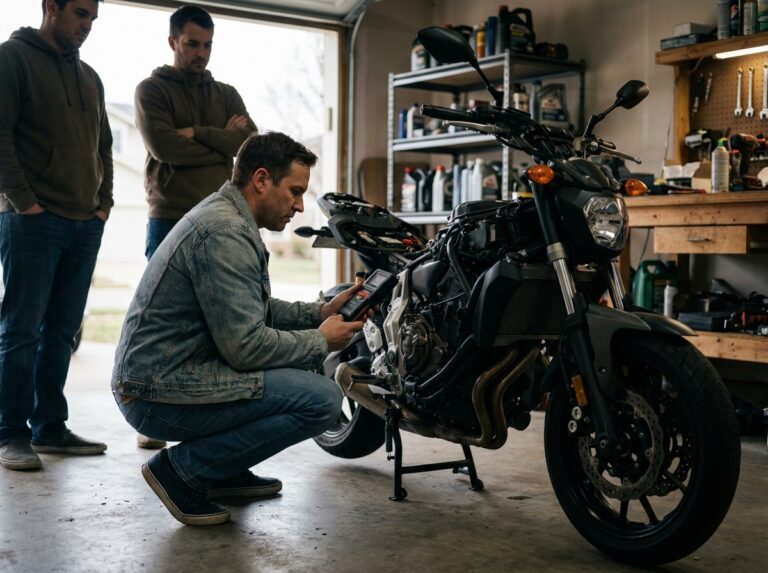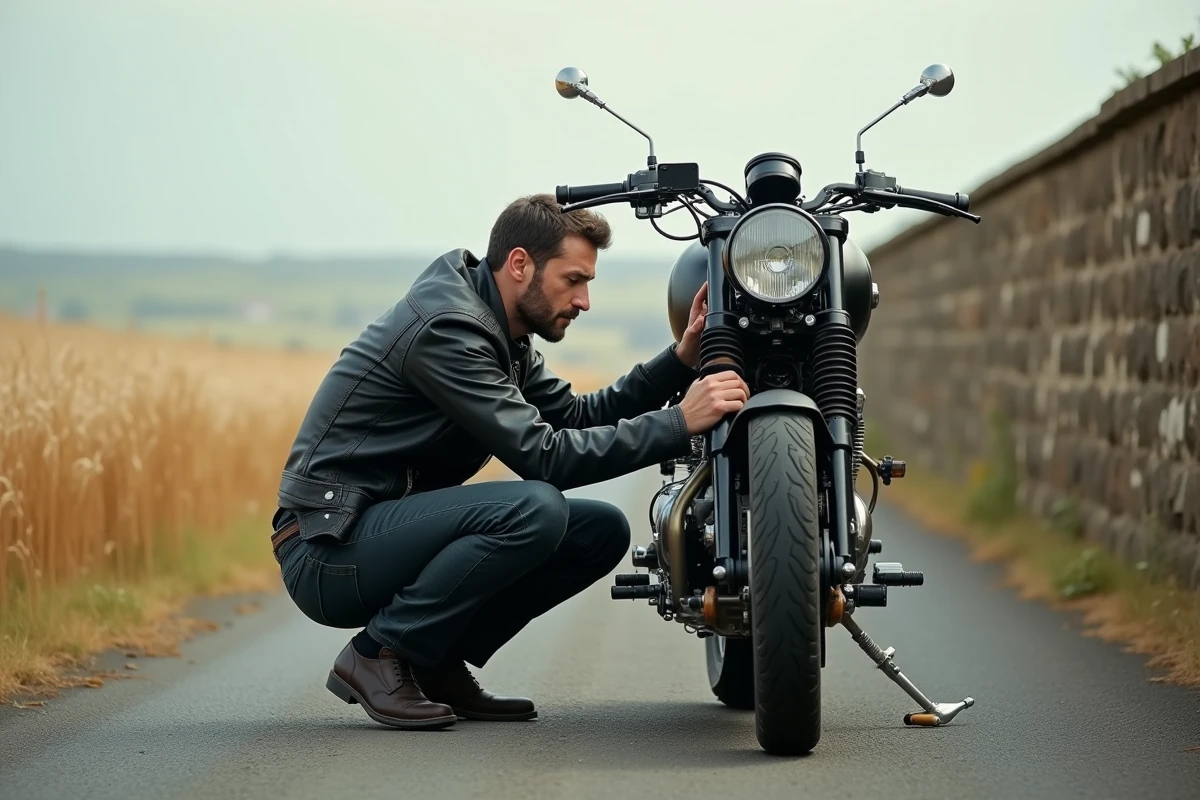
A rear tire skidding on a diesel slick at the toll booth, a chain that’s too loose clattering over a speed bump: the passion for motorcycling is first experienced through the hands and reflexes. Understanding your machine, anticipating risks, and keeping up with the developments in the motorcycle market in France is what separates an informed rider from a mere two-wheeler operator.
ZFE constraints and Euro standards: what changes concretely for riding in the city
Since the gradual implementation of Low Emission Zones in major French cities (Paris, Lyon, Grenoble), there has been a decline in the use of older thermal motorcycles in urban areas. The Crit’Air stickers now determine access to entire neighborhoods, and a motorcycle classified as Crit’Air 4 or 5 can no longer circulate freely during the week in several city centers.
For riders who use their machine daily, the decision becomes very concrete. Keeping an older motorcycle means regularly checking local restrictions, which change every year. Switching to a model that complies with the latest Euro standards or considering a 125cc electric scooter for commuting becomes an option that many end up considering.
Feedback varies on this point: some riders have sold their 2000s roadster without regret, while others circumvent the ZFE by adapting their routes. In any case, it is recommended to consult the municipal decrees of your metropolis before investing in a used motorcycle, especially for regular urban use.
There are also detailed listings and information available on the Motorcycle Boy website for motorcycles, which allow for quick comparisons of models based on their year and compliance.
Motorcycle market recovery in France: what the spring 2026 figures mean
Registrations of motorcycles and scooters show a significant increase in spring 2026 compared to 2025 and 2024. This sustainable recovery of the French market comes after a period marked by economic and regulatory constraints.
Concretely, this trend translates into an accelerated renewal of the fleet. Dealers are offering more trail, roadster, and sport models in their used inventory, and delivery times for new bikes are decreasing compared to previous years.
What this recovery means for the buyer
A dynamic market primarily benefits those who are reselling. If you ride a recent model that complies with Euro 5, its value remains stable. In contrast, older motorcycles that do not comply with ZFE lose value more quickly, especially in urban areas.
For a purchase, the market recovery also means more choices in recent used bikes. You can find trails and roadsters that are two or three years old with low mileage, resold by riders who are upgrading.
Rider safety: on-site checks before each ride
Safety on a motorcycle is not just about wearing a helmet and gloves. It starts in the garage, even before turning the key. We are talking about concrete actions that take less than five minutes and can prevent most mechanical incidents on the road.
- Chain tension and lubrication: a chain that is too loose skips, a dry chain wears out the sprockets. Check the travel at mid-stroke of the rear suspension, and lubricate every five to six tanks of gas.
- Tire pressure when cold: an under-inflated tire alters handling in turns and increases braking distances. Check with a personal gauge, not just at the gas station.
- Brake fluid level: a half-empty reservoir indicates either normal wear of the pads or a leak. In either case, intervene before riding.
- Condition of the pads: check the thickness of the lining through the caliper. If it approaches the wear indicator, order new ones before metal meets metal.
These checks become a reflex after a few weeks. They are not tedious once integrated into the routine.
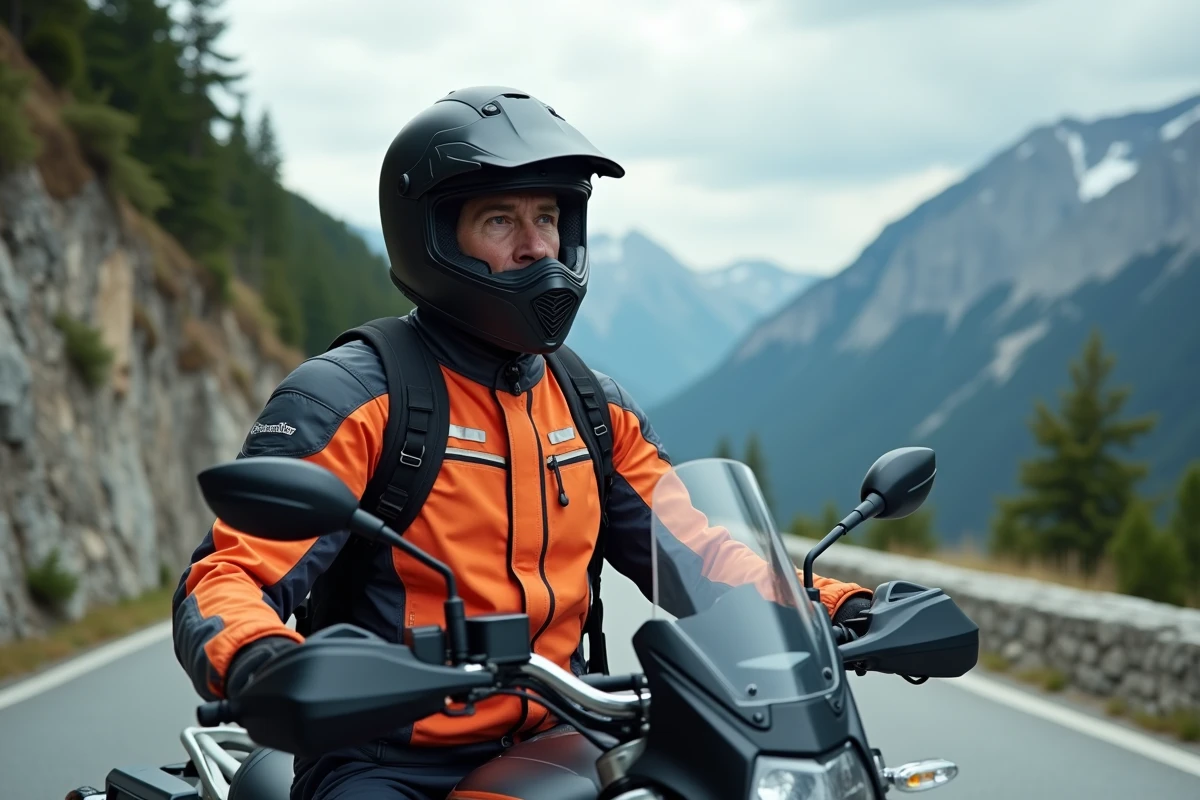
Rider gear: choose based on actual use, not fashion
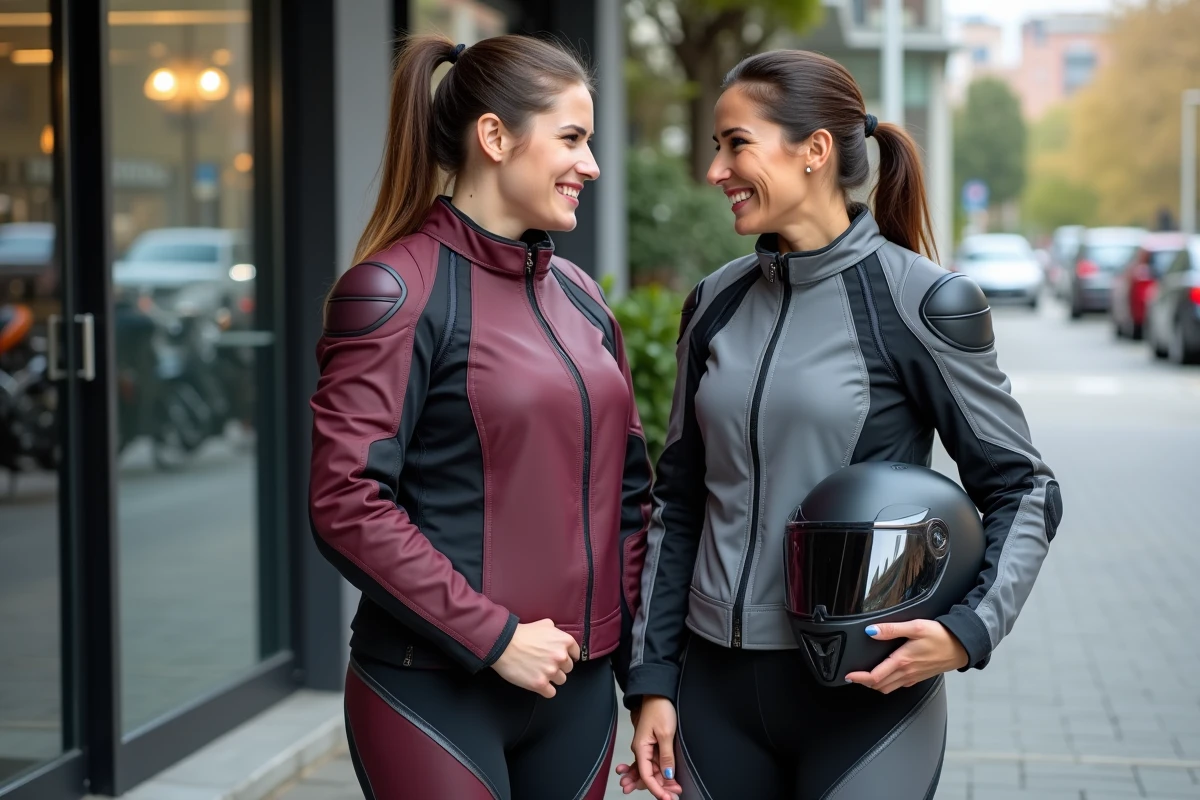
The motorcycle gear market encourages multiple purchases. Jacket, pants, boots, summer gloves, winter gloves, back protector, airbag: the list quickly grows. On the ground, it is clear that two or three well-chosen pieces offer better protection than a complete low-quality wardrobe.
Prioritize real protection
A recent ECE-approved helmet and a jacket with certified elbow, shoulder, and back protections cover most needs. Motorcycle pants remain the major oversight: many riders still wear regular jeans, which offer no abrasion resistance in the event of a slide.
For daily commutes, reinforced jeans with knee and hip protections represent a good compromise between comfort and safety. For road or trail riding, upgrade to textile or leather pants with waterproof membranes.
Adapt gear to the season
Riding in summer with a ventilated jacket and perforated gloves is essential. In winter, layering technical layers (thermal underwear, fleece, windbreaker jacket) works better than a single thick jacket that restricts movement.
The gear budget represents a significant investment in the first year. It pays off by purchasing durable pieces rather than renewing fragile equipment each season.
Post-license training and routes: progressing in the long term
The motorcycle license validates a minimal level of skill. Real progression comes afterward, on the road, with seat time and ideally an advanced training course. Several organizations in France offer post-license training focused on emergency braking, avoidance, and riding on degraded surfaces.
As for routes, well-prepared motorcycle rides alternate between fast sections and winding roads. Preference is given to mountain or countryside departmental roads, where the enjoyment of riding is maximized and traffic density is low. Motorcycle communities regularly share tested GPS tracks, allowing for the discovery of routes without unpleasant surprises (gravel, potholes, construction zones).
The passion for motorcycling is built ride after ride, with a well-maintained machine and gear suited to its actual use. The French market today offers enough choices for every rider to find the motorcycle and equipment that match their practice, whether they ride in the city, on the road, or off-road.