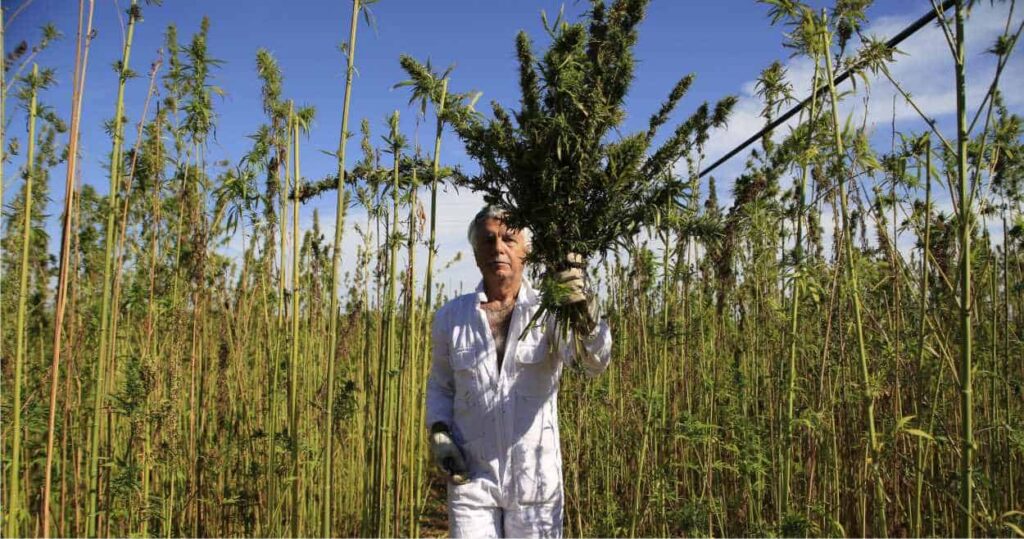
The light cannabis is not a difficult plant to grow and in Italy, we have a perfect climate for it, it is no coincidence that we have always been among the largest hemp producers in the world.
There are many reasons to grow hemp: the plant has food, pharmaceutical, recreational, and industrial applications, particularly in textiles, paper, and eco-friendly construction. For this reason, it can prove to be an excellent cash crop.
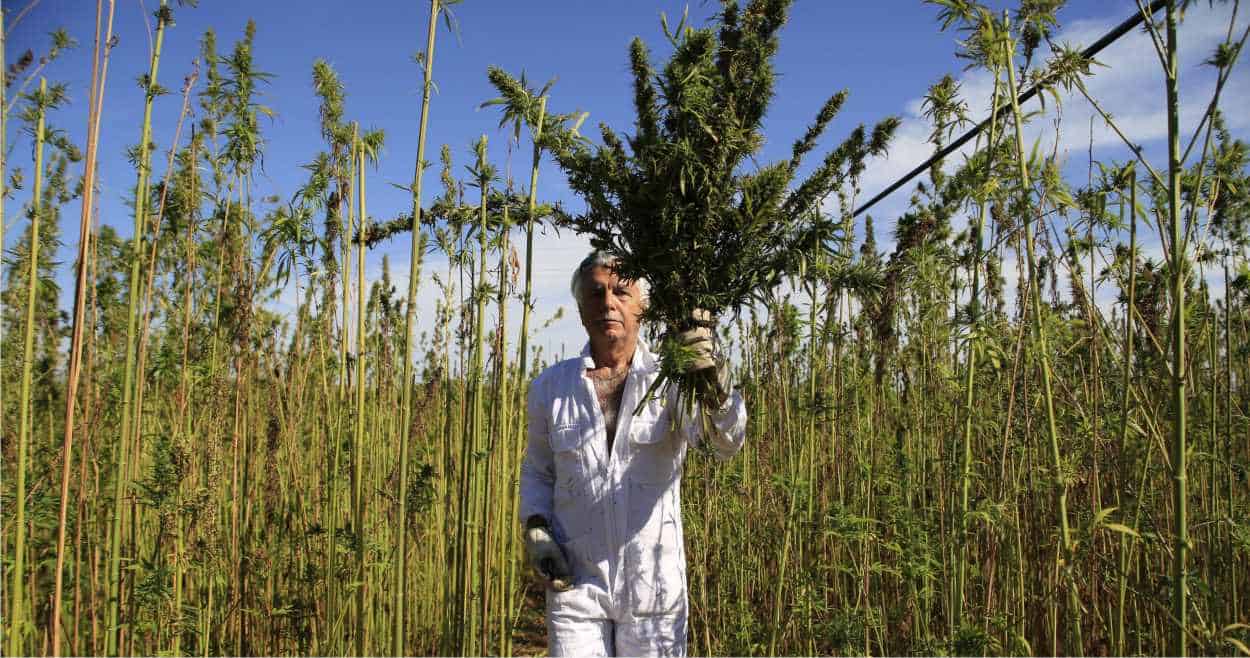
Growing in Italy is legal, provided that low-THC industrial hemp varieties are sown. So let’s see how to grow this plant in the field, we will also look at the legal requirements and how cannabis can represent a source of income.
Getting to Know the Plant
The hemp that is primarily grown is a dioecious annual plant, meaning that there are female-flowering specimens and others with male flowers, exhibiting different morphological characteristics.
Officially, this species is classified in the Cannabinaceae family and in the Urticali order. Even though this is a debated point, two or more subspecies of cannabis are identified:
• Cannabis sativa, primarily used for fiber and oil.
• Cannabis Indica, typical of warm countries and primarily used for therapeutic and spiritual purposes.
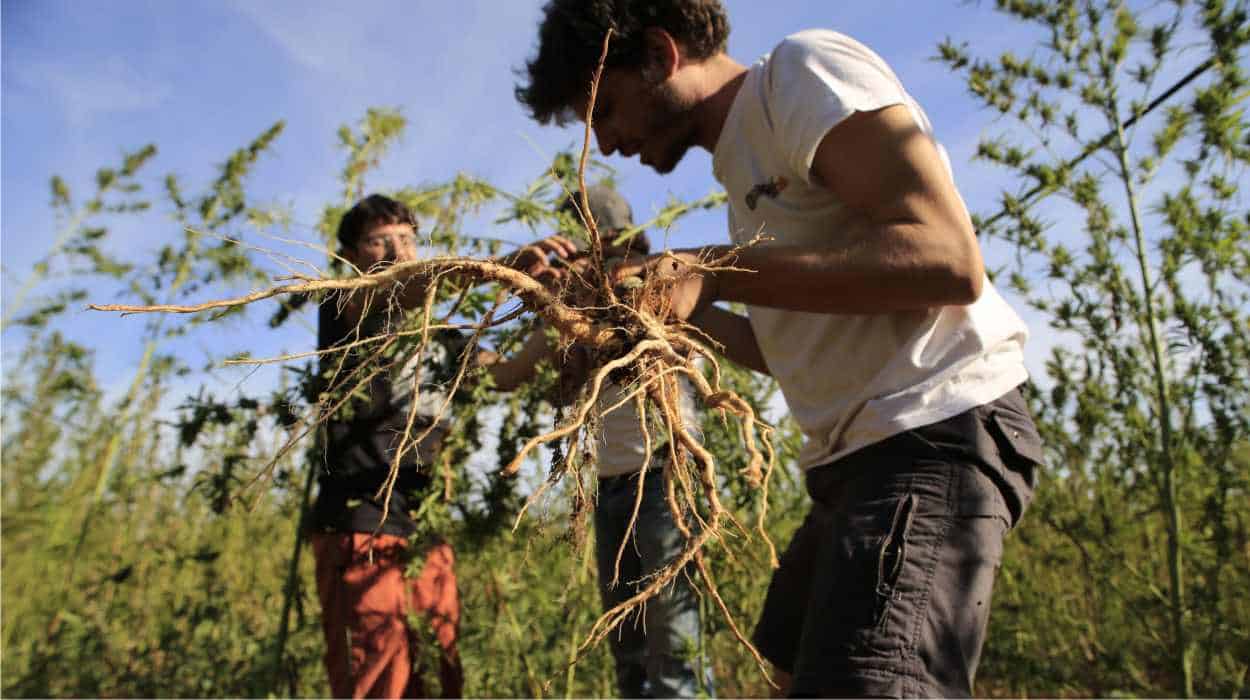
The shrub has a long taproot that can reach 2 meters deep and a rough, sturdy vertical stem of variable height (from 75 cm to 6 meters) depending on the variety sown and the cultivation technique used.
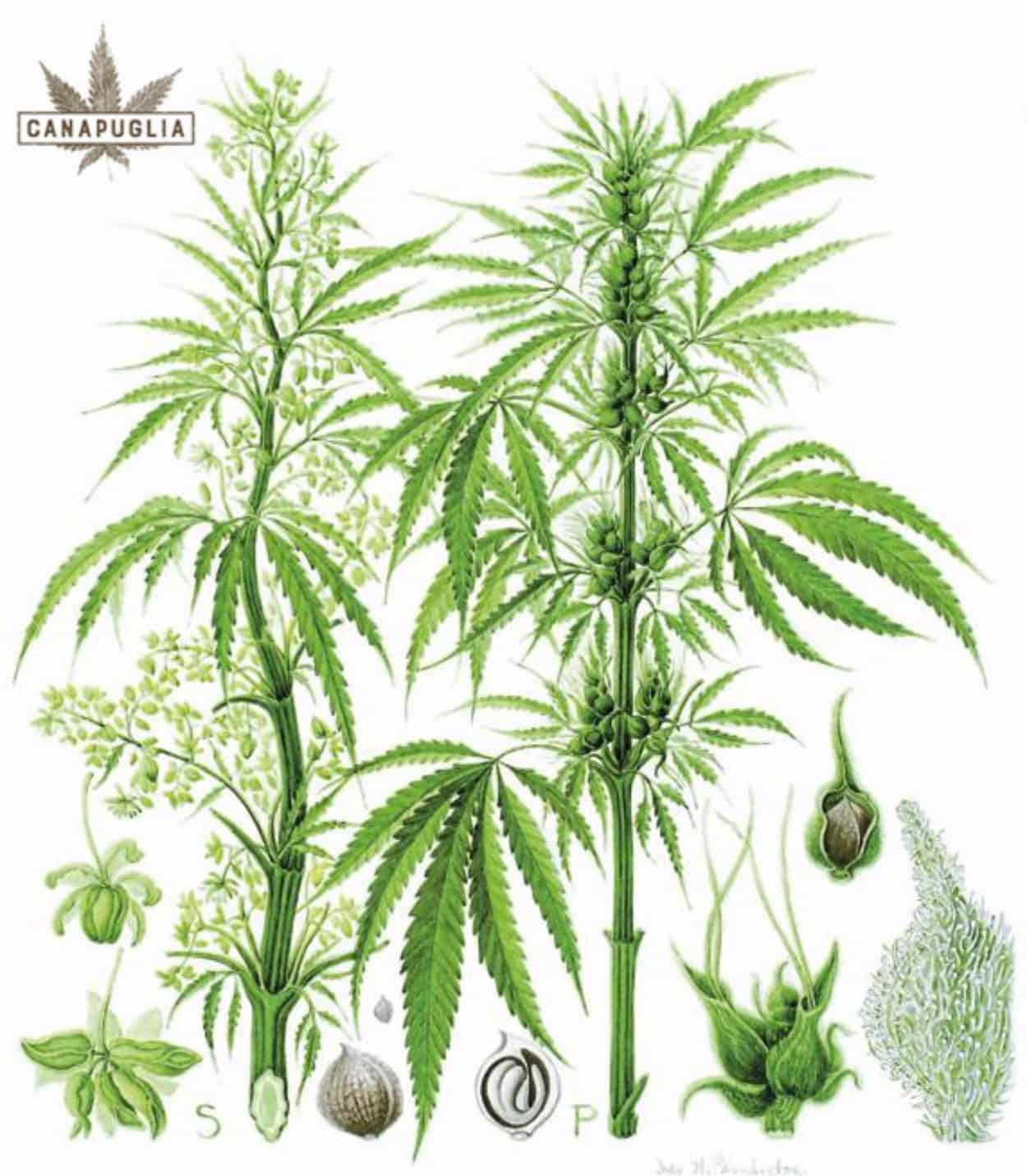 In-depth: the hemp plant
Why Grow Hemp
Growing cannabis is an activity to consider for many reasons: economic, agronomic, and ecological.
Before starting a crop, it is important to decide what interests us. We can start an industrial hemp crop aimed at obtaining fibers, grow hemp to obtain seeds, which are very interesting in the food sector as well for the oil obtained, or we can grow for inflorescences, which are interesting for their cannabinoid content.
The choice of variety and cultivation method will vary depending on what you wish to harvest. However, a mixed crop can also be undertaken.
Making Money with Hemp
From an economic point of view, it is an agricultural activity that can become a source of income. Hemp has many possible applications: in therapeutic, food, recreational, textile, and ecological fields.
The different parts of the plant (inflorescences, seeds, leaves, fibers) can be used in various ways, making hemp cultivation a potentially profitable activity.
Hemp Improves the Soil
From an agricultural and agroecological perspective, hemp is a soil improvement crop, so it can be included in rotations that add value to the farm’s soil.
Moreover, it is a species that has a purifying effect on the soil: as a plant extractor, hemp can eliminate all pollutants that contaminate the soil.
Growing Legal Hemp
At the regulatory level, the cultivation of light cannabis is perfectly legal today, and it is not even necessary to have an agricultural VAT number.
The main constraints for legally cultivating are the use of certified varieties and the communication to the authorities of the cultivation activity.
One must sow a variety listed in the European seed register, as according to the law, only low-THC hemp varieties can be cultivated. As soon as the seedlings emerge, a special “cultivation declaration” of hemp must be filled out and delivered to the nearest police station.
We have explored this topic in an article dedicated specifically to the current legislation on hemp cultivation.
In-depth Study: The Regulation of Cultivation in Italy Preparation of the Soil
Hemp is cultivated in all regions with a temperate and humid climate: it requires soft, deep, permeable, and fertile soils. Excessive temperature during the first phase of development can cause early flowering, a very detrimental phenomenon for both the quality and quantity of the product. It is advisable to sow in soils at least 70 cm deep and well-drained.
The hemp plant is not afraid of late frosts, so it is also well grown in northern Italy; when well-rooted, it responds well to dry periods. What it cannot tolerate is waterlogging, which is fatal to the plant’s taproot, so good management will be necessary to avoid this.
Soil Preparation
The mechanical work of the soil begins with plowing and continues, before sowing, with harrowing or grinding to cut the surface layer and thus prepare the seedbed. Let’s not forget that the cannabis plant has a deep and conical root, so it is good to prepare the soil to accommodate it and ensure proper drainage of excess water.
On a small scale with hand tools, a spade and a shallow hoe are used.
The timing of the treatment is also useful for making fertilizers.
Fertilization Methods
Organic matter is very useful for increasing the possibility of obtaining quality cannabis production, so it is beneficial to provide it. Like other renewal crops, hemp also thrives with compost or not very mature manure.
Green manure is a traditional fertilization technique for organic hemp. It involves sowing a mixed autumn-winter herb, with a prevalence of legumes, which is buried at the time of developing significant biomass. The burial should take place at least one month before sowing to allow sufficient decomposition of the plant biomass that could damage the shoots.
Sowing Hemp
To grow this plant, we start by sowing, which is best done directly in the field. Hemp in Italy is sown in spring, perhaps in March. The first important step is to choose the variety to cultivate.
Choosing the Variety
Before starting to sow, it is of course necessary to obtain the seeds. When growing inflorescences, it is important to use a <strong dioecious species, in which it is sufficient to eliminate the males to obtain seedless flowers. There are many light cannabis varieties that we can decide to grow, with the constraint that they are among those registered in the European catalogue for THC content.
There are excellent Italian varieties, such as Carmagnola and Eletta Campana, which can be the first choice as they are perfect for our climate and have a correct content of CBD and THC. The discussion about varieties is complex and deserves a separate study.
Sowing Period
Hemp should be sown at the beginning of the year when the soil is not too wet and there is no risk of severe frost. In Italy, the right period for the central-southern regions starts in February, while in the north, it is expected in March or even April. It is up to the farmer to determine the best time to sow in their area.
Since young plants are sensitive to lack of water, it is important not to delay sowing too much: it is necessary to reach the warm and dry climate of summer with plants over one meter tall, which will be deeply rooted and capable of being self-sufficient in water.
Sowing Density and Planting Density
The amount of seeds to use varies depending on the purpose of the crop. Fiber cultivation offers a high density that forces the plants to grow tall and prevents the stem from branching. Seed cultivation, on the other hand, requires greater branching of the plant to maximize the harvest, and therefore a greater distance between the rows. Of course, you can also choose a compromise and implement a mixed crop.
We can use up to 50 kg of seeds per hectare for fiber plantations and about 20 kg per hectare for seed cultivation.
In general, a dense plant has the advantage of smothering weeds, which is very important in organic farming as it translates to fewer weeds.
Sowing Method
Hemp is sown in rows, and the seeds should be placed about 1.5 to 2 cm deep. We can do this manually or using a seed drill if we plan to cultivate a large area.
Cultivating Cannabis
After sowing the plant, cultivation begins, which is generally low-maintenance. Hemp is a hardy plant, not very susceptible to diseases and animal pests, and low-maintenance in terms of irrigation. Let’s remember to communicate the emergence of the seedlings to the authority of our cultivation, doing everything in accordance with the law.
If you opt for organic cultivation, you can aim for better product valuation in the market. In many cases, both for food and therapeutic purposes, purchasing companies require organic hemp.
Irrigation
Hemp is a crop that does not need much irrigation, while it fears waterlogging. Once the plant develops, it withstands drought well. In southern Italy, particularly in Apulia, it is highly recommended to set up an irrigation system to ensure water needs (3000 m3/ha), while in the central-north, it is possible to cultivate even in the absence of artificial irrigation.
Weed Management
The fiber crop, given its high density and the rapid growth of the plants, is very competitive with all common weeds and generally does not require intervention to combat weeds if sowing operations are carried out in a timely manner.
Seed cultivation, on the other hand, due to the larger spacing of the plants, benefits from planting, especially immediately after the emergence of young plants.
Hemp can particularly suffer from the presence of certain spontaneous species: bindweed (Convolvulus poligonium), which can hinder the development of the plants by twisting around the stem that will continue to grow, albeit barely. Orobana ramosa (Phelipea ramosa) and the European phanerogam Cuscuta, which entangle around the base of the plant, sucking its nutrients.
Recognizing Males
If we want to cultivate to harvest inflorescences, we are only interested in unfertilized female flowers.
For this reason, it is essential to know how to recognize male specimens and eliminate them so they do not spoil the harvest.
The sex of the plant is already recognized in the vegetative phase, with females producing more leaves. During flowering, the differences become perceptible. Male plants must be removed as soon as possible, as a single specimen is enough to fertilize and then ruin several female flowers.
Obviously, if cultivated for seed, fertilization is essential, and the presence of male flowers thus becomes a requirement.
The Harvesting Operations
Harvesting Flowers
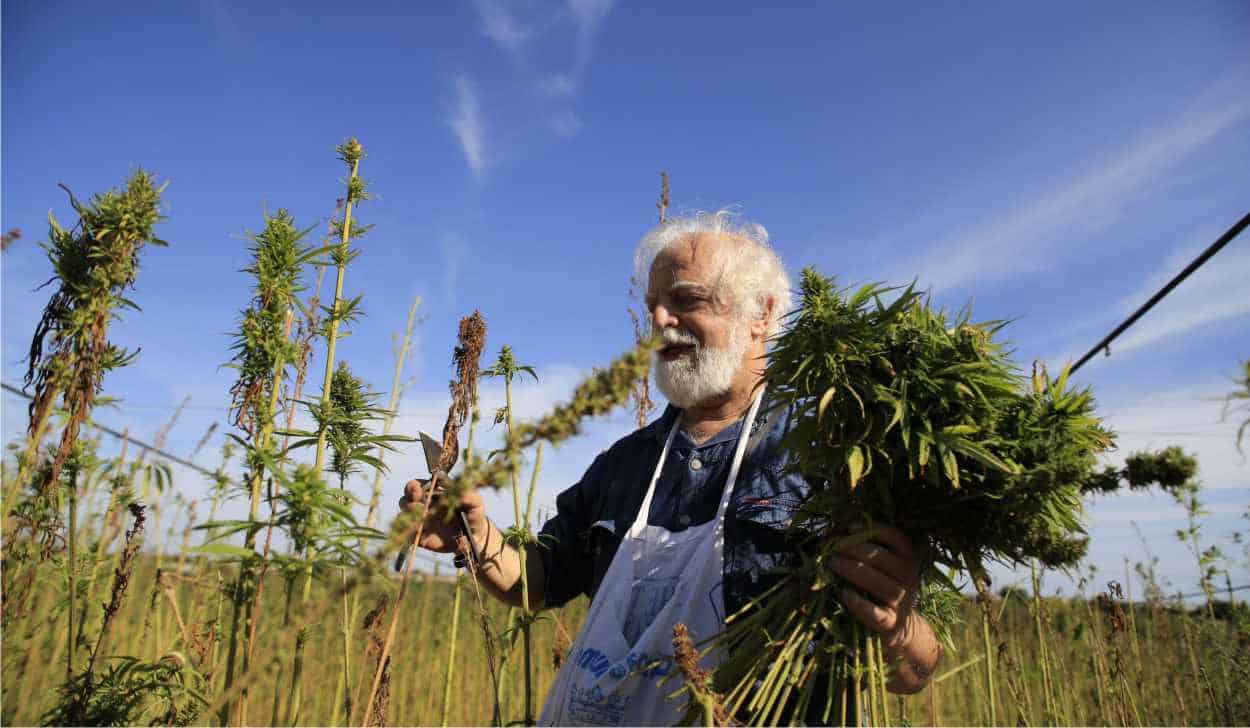
The inflorescence should be collected at its best development, when it contains a higher concentration of substances from its phytocomplex. The light hemp flower is hand-picked, and will then be dried at low temperature, using a dryer.
As for the timing, it can be said that flowering in the Italian climate occurs in summer, in July. After about a month, the flowers are ready to be picked, between August and September.
Harvesting Seeds
Seeds are generally grown on a large scale, and harvesting takes place with a combine harvester with axial beater and double ventilation.
The seeds begin to mature between August and September. Maturation is staggered, starting from the apical part and the ends of the branches. Therefore, direct experience is necessary to identify the right moment to seize.
Once harvested, the seeds must be dried within 12 hours to prevent fermentation. In warm areas, they can also be dried outdoors.
Harvesting Fiber
To obtain fiber, the stems must be collected using a traditional tooth mower and a round bale press.
After mowing, they should be left in the field for a week to macerate, and in case of rain, even a few days longer. The harvests will then be collected in bales, as is done for hay. It is essential to dry well before roto-packaging: the moisture should be around 13%. The bales must then be kept away from nighttime moisture and any rain.
Article written by Matteo Cereda with technical contribution from Claudio Ntile of Canapuglia, a hemp cultivation expert.

Tag: More info on CBD